

 By
By Seas Are Sweet, Fish Tears Are Salty by Saudi artist Mohammad Alfaraj
Mounds of dried palm fronds, images of farmers toiling in paddy fields, a video of playful birds in their natural habitat and a wooden installation for communal gatherings are some of the unique and reflective exhibits from Saudi artist Mohammed Alfaraj’s first solo institutional exhibition currently ongoing at Jameel Arts Centre in Dubai. It’s title – Seas are Sweet, Fish Tears are Salty is quirky yet symbolic, taking inferences from the artist’s lived in experiences in his hometown Al-Ahsa in the eastern region of Saudi Arabia. Rooted in the natural and cultural landscape of this farming oasis, the exhibition builds an intricate web of characters, symbols and parables influenced by oral traditions and everyday rituals, using materials of local and ecological significance. Curated by Art Jameel’s Rotana Shaker, the exhibition is spread across the indoor galleries and outdoor courtyards of the Arts Centre and runs until January 4th, 2026.
Born in 1993, Alfaraj’s route to becoming an artist started on an unusual note with BA in Mechanical Engineering from King Fahad University Of Petroleum and Minerals in Saudi Arabia. He later diversified into art with a full-time practice involving a range of mediums encompassing film, photography, sculpture, writing and installations. His art weaves together poetry and storytelling urging viewers to slow down, listen deeply and trace quiet connections between place, language and community.

At his current exhibition, a newly commissioned space for storytelling titled — Love is to Leave the Door to your Garden Ajar – invites the audience to gather, read from the artist’s writings and participate in scheduled programmes evoking the intimacy of oral storytelling around communal fire. Alfaraj’s artwork has been displayed in various international exhibitions including at Mennour, Paris, at the Islamic Arts Biennial, Jeddah, 16th Biennale de Lyon, Hayy Jameel and at Alserkal Avenue, Dubai. He is a medalist at the Art Basel Awards, 2025, in the category of Artist Emerging.
Read excerpts from his interview with Middle East Masala on his current exhibition:
What is the inspiration behind the title of your latest exhibition, Seas are Sweet, Fish Tears are Salty?
It stems from my childhood memories and inferences. As kids I recollect when we drank water at home, we found it sweet but were intrigued when we tasted salty seawater. We all know tears are salty. So, is it possible that the sea is salty because the fish are crying?
Imagining and believing that what makes the sea water salty is because of fish tears could be a childish notion yet it is super empathetic. To feel and recognize the suffering of others – be it humans, animals or any living creatures is of utmost importance in today’s world, which unfortunately, seems to be heading more towards apathy.

What elements from your hometown Al Ahsa do we find in your current exhibition?
Along with the curator Rotana Shaker, I have tried to encapsulate the ecosystem of Al-Ahsa in this exhibition. You will find several nuances from its landscape, people, creatures and narratives. From palm trees to its water, the farmers, animals and stories, we have brought a piece of Al-Ahsa that is relatable to everyone.
How has Al Ahsa influenced you as an artist?
To use rice paper to tell stories about the fading rice farming in Al-Ahsa or making a film about the water irrigation ways while filming it and projecting it in the same angle on water. This way of coupling the medium and concept has had a much stronger impact on me. I find it more tactile, engaging and alive.

What does your installation — Love is to Leave the Door to your Garden Ajar — symbolise?
This structure is inspired by places that farmers in my hometown, use for shade and rest. Once I found such a rest area, made entirely from doors. I felt it was a very powerful metaphor, to create a shelter, a place that encloses you entirely with doors, that can be open from every direction. And I believe that is what love and life is, it helps us become individuals and also makes us open and welcoming to others around us.
What are your memories of using Al-Ahsa’s waterways and how did they become a part of your community experience?
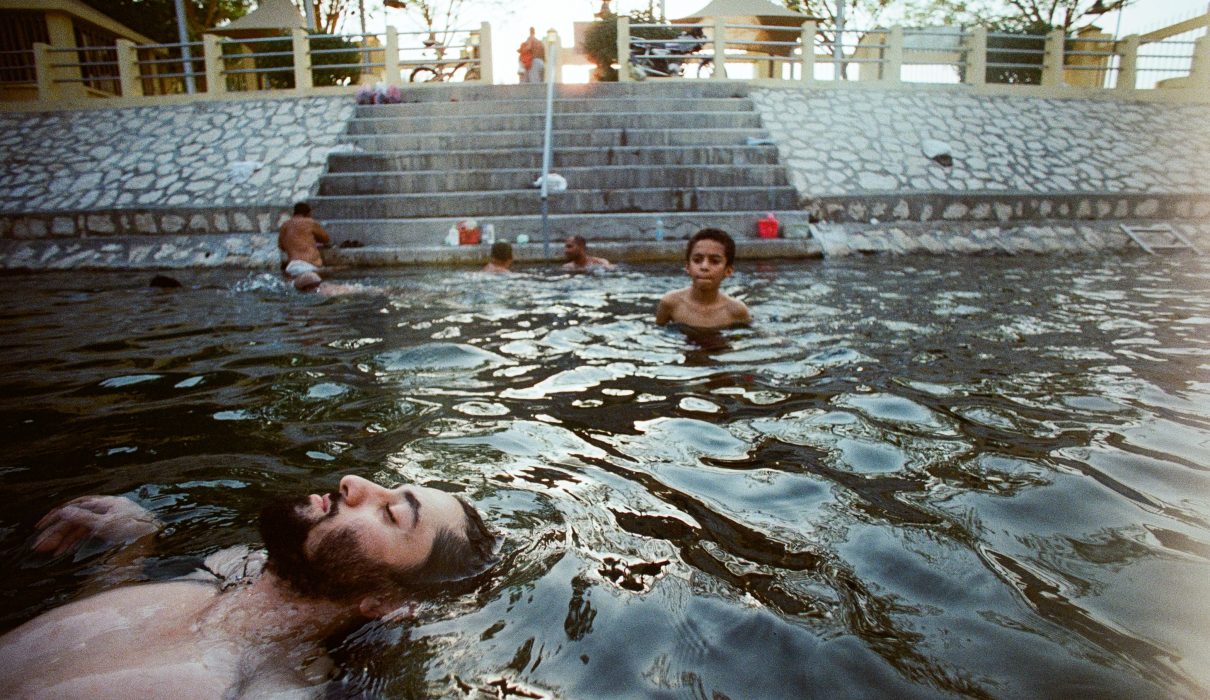
On one hand the water ways and springs are used as places of gathering, selling and buying goods, exchanging news and stories. At the same time, they have a mythological connection, as a place where many stories were first borne and their characters lived. These stories relate to current global issues too, such as the warning about the shortage of water and respecting nature’s force.