

 By
Bassam Freiha Art Foundation celebrates centenary of Artist Paul Guiragossian
Armenian-Lebanese artist, Paul Guiragossian, renowned for his expressive figurative artworks, was one of the most significant painters to emerge from Lebanon and the wider Middle East in the 20th century. The Bassam Freiha Art Foundation (BFAF) in the Saadiyat Cultural District in Abu Dhabi celebrates 100 years of the iconic artist with a centenary exhibition — Paul Guiragossian: 100 Years of Art.
This significant exhibition brings together landmark paintings and archival material drawn from the Paul Guiragossian Estate Collection, the majority of works being presented outside of Lebanon for the first time, tracing the evolution the legendary Middle Eastern artist. Developed in collaboration with the Paul Guiragossian Foundation and co-curated by the artist’s daughter Manuella Guiragossian with BFAF head curator and director of exhibitions Dr Michaela Watrelot, the exhibition was unveiled on October 17, 2026 and will continue till January 17, 2027. BFAF is a private art collection of His Excellency Bassam Said Freiha, Beirut born philanthropist and art collector.
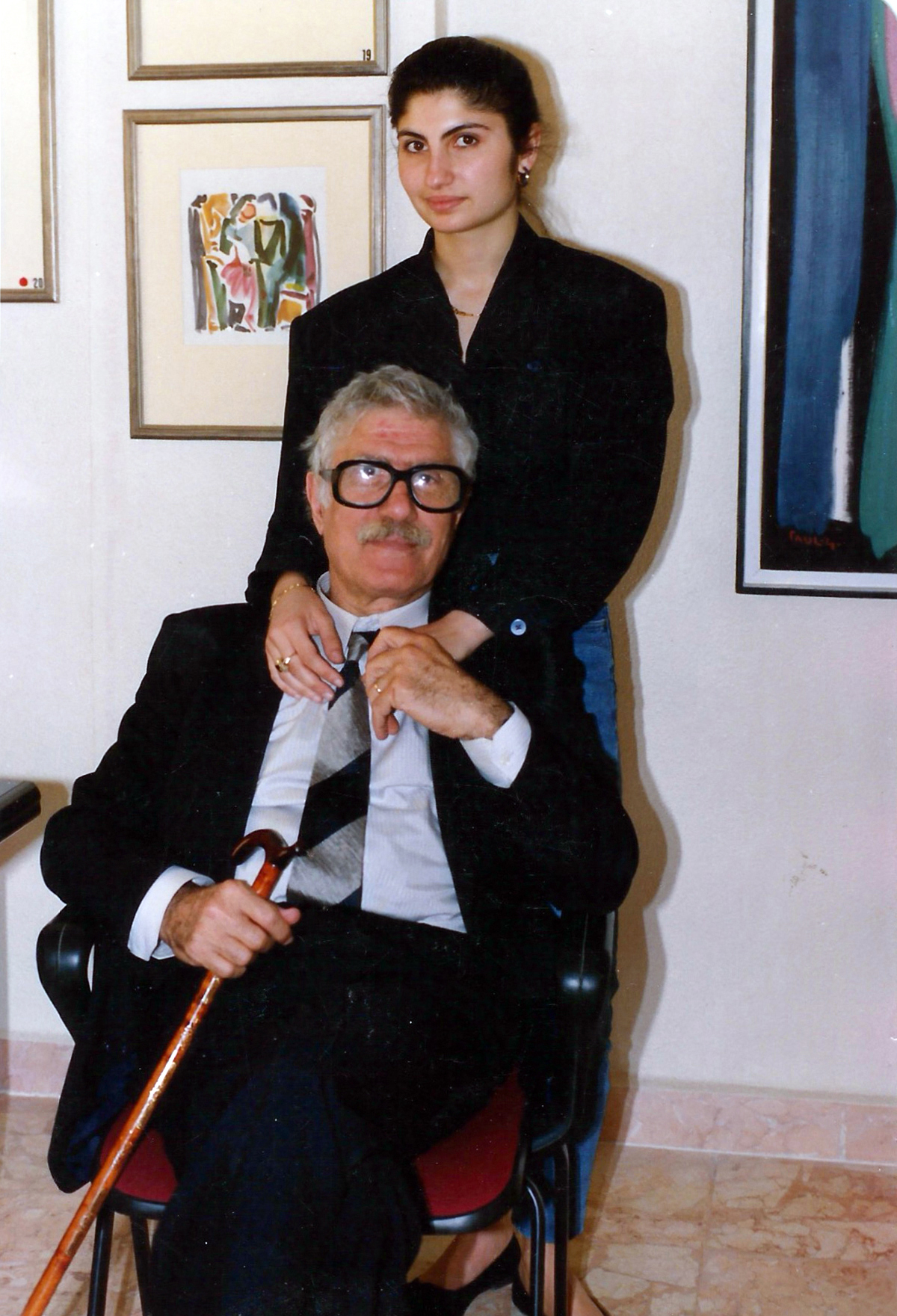
Born in December1926 in Jerusalem to Armenian parents, survivors of the Armenian Genocide, Guiragossian experienced the consequences of exile and displacement from a young age. In the 1940s he enrolled at the Yarkon Studio of art in Jaffa. Around 1948, the Guiragossians moved to Lebanon, where they eventually settled. Deeply impacted by his childhood experiences he portrayed human suffering and political turmoil through his art that continues to resonate across cultures and generations through its enduring affirmation of our shared humanity. He was awarded the Chevalier de l’Ordre des Arts et des Lettres by France in 1984 and the Knighthood of the National Order of the Cedar by Lebanon in 1993.
“This centenary exhibition brings art-historical scholarship into dialogue with a deeply personal perspective, inviting audiences to discover Guiragossian as one of the leading figures of Lebanese modernism, but also as the man whose humanity remained inseparable from his art,” said Dr Michaela Watrelot, Director of Exhibitions at BFAF.

Structured as a chronological journey, the exhibition traces Guiragossian’s artistic evolution from his early years in an Armenian family shaped by displacement and migration, including the 1948 relocation from Jaffa to Lebanon, to his global recognition as one of the most important painters from the region to emerge in the 20th century.
More than a retrospective, the exhibition offers a renewed reading of Guiragossian’s oeuvre and invites audiences to encounter not only Guiragossian – the artist, but also Paul, the son, the husband and the father. Particular attention is given to three generations of women who profoundly influenced his life and work — his mother Rahel, his wife Juliette, and his daughter Manuella, who continues to safeguard her father’s artistic legacy for future generations.
Manuella Guiragossian, President of the Paul Guiragossian Foundation, said “One thing has remained particularly important to me is that my father’s own voice remains at the centre of the history being written about him. Listening recently to a television interview he gave in 1991, I was struck by how beautifully he retraced his artistic journey. He began with himself, then his mother, family and the people around him. Eventually, as he simply put it, “people became everything to me.” That is echoed throughout this centenary exhibition, with many of the works leaving our family home in Lebanon for the first time.”
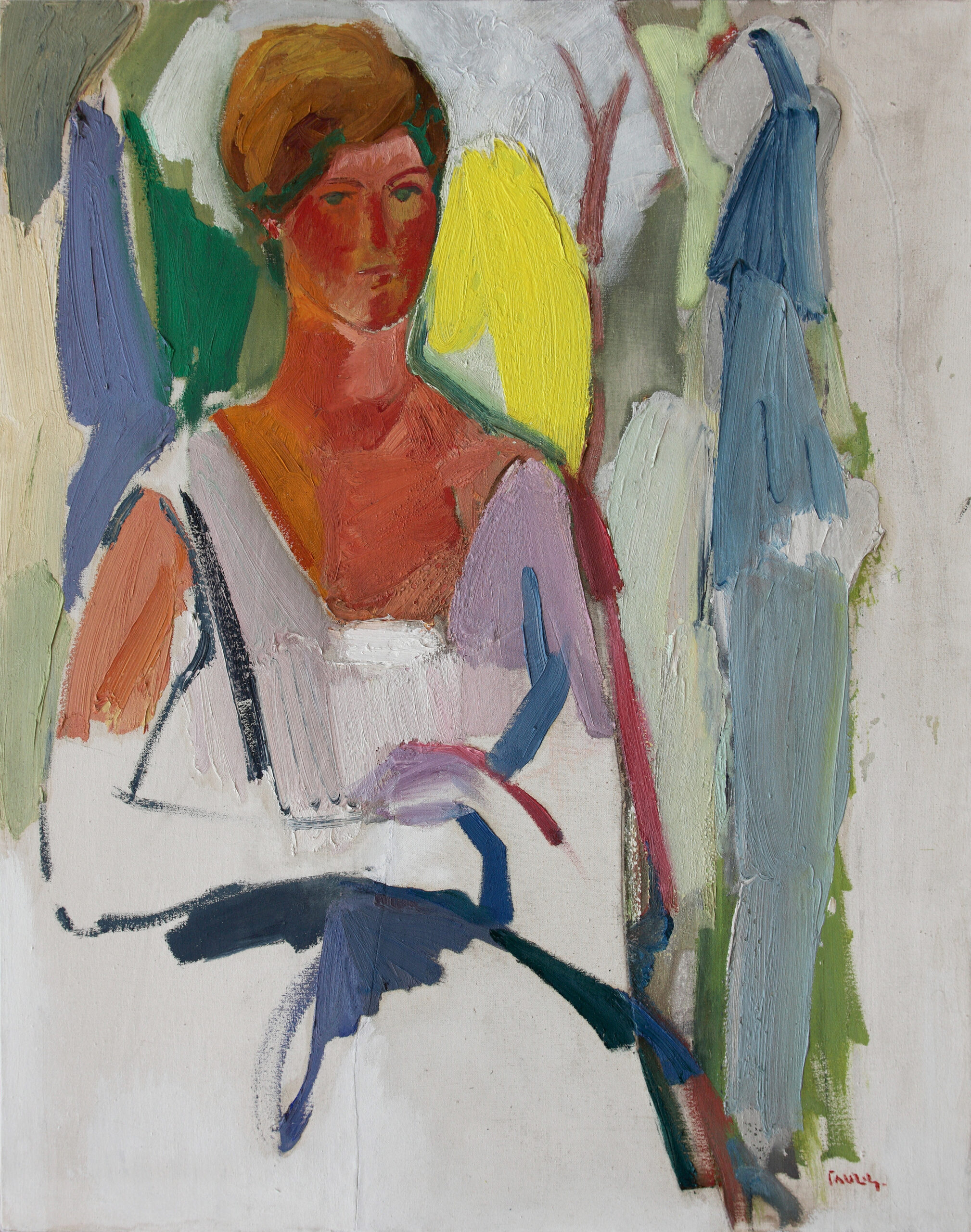
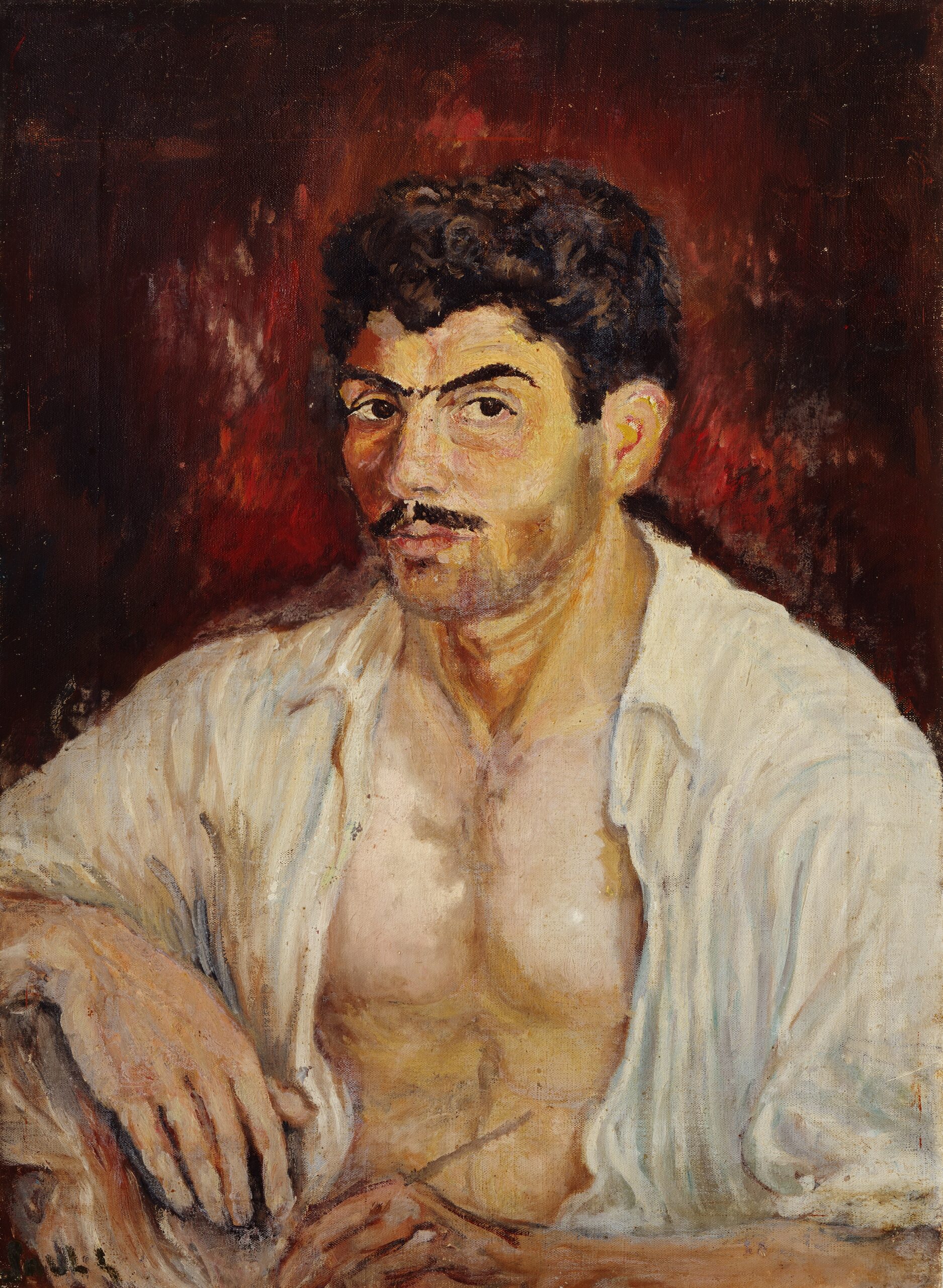
Rarely-exhibited works from the family’s private collection include Self-Portrait (1948) and Rahel (1948) (the artist’s mother), which anchor the exhibition’s opening chapter. Femmes en Conversation (1951), Juliette et Mano (1955), and L’Etreinte (1973), depicting his daughter Manuella running into the arms of her mother Juliette, and Portrait of Juliette (1978) trace maternal figures and the artist’s focus on his own family as a recurring subject. The exhibition closes with an unfinished self-portrait that Paul was working on before he died in Beirut in November 1993.
As a homage to Lebanon, BFAF has also opened two other exhibitions this season by artists from Lebanese — Roots Before Petals, brings contemporary UAE-based artist Lana Khayat in a dialogue with prominent Lebanese American painters – Etel Adnan and Helen Khal, and Lebanese modernist artist and sculptor Alfred Basbous: Sculpting the Line. The exhibitions together consider Lebanon as a place lived, remembered and reimagined.