

 By
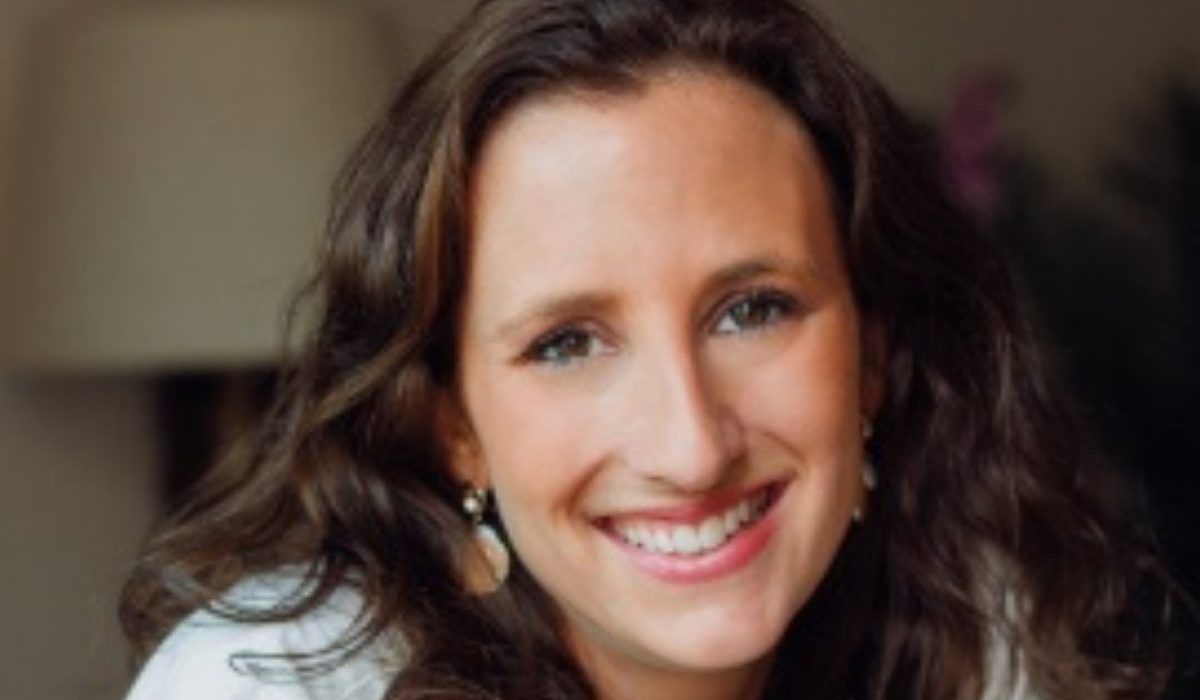
By “Wouldn’t it be wonderful if we could all be a little more gentle with each other, and a little more loving, have a little more empathy, and maybe we’d like each other a little bit more.” This beautiful quote by actress Judy Garland from the book Little Girl Lost, perfectly captures the essence of empathy. It is also the starting note of author Mimi Nicklin’s book ‘Softening the Edge’ centered around building empathy at the workplace. An experienced marketer and communications strategist, and host of the ‘Empathy for Breakfast’ show and the ‘Secrets of The Gap’ podcast, Mimi believes that without being able to walk in the shoes of others, without understanding diverse viewpoints, it is nearly impossible to inspire and lead teams to success.
Having lived and worked in London, Hong Kong, Singapore, Cape Town, Havana, Madrid, Johannesburg and Dubai, Mimi has studied cultures from within 25 global markets. In her book she approaches how empathy in organisations can not only change the business environment but also shape the whole world.

Empathetic influence, says Mimi, is this decade’s most critical human and scientifically validated skillset. In this interview she shares her views on how empathy can change the future, positively impact leadership and close the empathy gap that affects the world.
What is empathy to you?
It is the ability to recognise and respond to the reality, emotions, or pain of others, to put yourself into their place, to understand their context and to see the world as they do.
You write that empathy is contagious, how do you support that?
Imagine watching your friend walk up to her car. She unlocks it remotely and slides in with her eyes on her phone. She is distracted. Somehow as she pulls the door shut she firmly slams her fingers in the car door, crushing her little finger and ripping the nail away from the skin. She screams out as blood begins to pour. Did you flinch? Or close your fist around your little finger reactively? The odds are, you probably did. Every time I re-read this my hands still curl in. This is empathy in action!
Why is it so important and what is its significance at the workplace especially during COVID-19?
In many a crisis, opportunity is found. Across the globe today, people are looking for inspiration, for authentic-connected leadership more than ever before. There is much discussion about the need for greater levels of emotional intelligence, humanity, and empathy. The world has now seen things in a new light, and our shared humanity is more important than ever.
Without doubt, the socio-economic impact of COVID-19 will long outlast the health impact, and it is in the leverage of emotional intelligence, and specifically empathy, that organisations and teams will be able to rebuild. The conversation about empathetic influence and conscientious leadership was relevant before the virus swept our planet. Now it is critical.
How will Softening the Edge help corporate professionals to build empathy?
The book addresses the Global Empathy Deficit from within organisations. It is inspired by the turnaround story of the organisation I ran during the time of writing. The book focuses on the point where humanism and capitalism meet. The goal is to create a wider understanding that the world of leadership and business is critically responsible for playing a role in protecting and improving our social future. Softening the Edge will help leaders understand the value of empathy, how to activate it and how it can create strength in teams, in competitive positioning and even in earning profit.
In a world where people are increasingly glued to their gadgets, how do they build connections with other human beings?
People often think that tech stops us from empathising with each other, but this isn’t true. We can embrace technology. Only we need to ensure that when we put tech between us and our families, especially over geographical distances during Covid, we keep our eyes on each other, our shoulders square to the screen and we lean in physically towards the person we are talking to. This will create subconscious signs of connectivity and empathy, even when separated by technology.
How did empathy change your life?
The truth is that I never thought about becoming an author until I wrote Softening the Edge, but once I identified the reach and impact of the Empathy Deficit globally and started to write, I couldn’t stop. I became an author because of that passion – my study of empathy literally changed my life’s outlook. I feel that this book wrote me, rather than the other way around. Softening the Edge focuses on something I have been passionate about for my entire career—the sustainable wellness of our workforce, treating people with kindness and decency, and the future of effective leadership that sustainably promotes human values as well as the financial value of every business.
How early on in your life did you discover empathy?
I have been naturally empathetic my whole life but in the summer of 2018 I sat with a business coach who asked me a question that changed the way I saw the world forever. She encouraged me to consider reframing my leadership intuition (an approach I had been comfortable with for many years) instead to leadership ‘empathy.’ This made me realise I had been doing this naturally for a very long period of time but I hadn’t put a name to it. This provocation began years of studying the academics and power of empathy and to the discovery of the depth and reach of the Empathy Deficit in our society.
Who inspires you and who, according to you, is the beacon of empathy at the workplace today?
The leaders who are embracing this concept are the ones who inspire me the most because they are making waves and creating teams of loyal, fulfilled employees who stand the test of time. President Obama, Oprah Winfrey, Simon Sinek (writer and thought leader), Jacinda Ardern (Prime Minister of New Zealand), Satya Nadella (CEO Microsoft), John Mackey (CEO Whole Foods) are all leaders who are committed to listening and understanding their teams first and foremost.