

 By
By Unfolding by Moza Al Falasi at Tashkeel
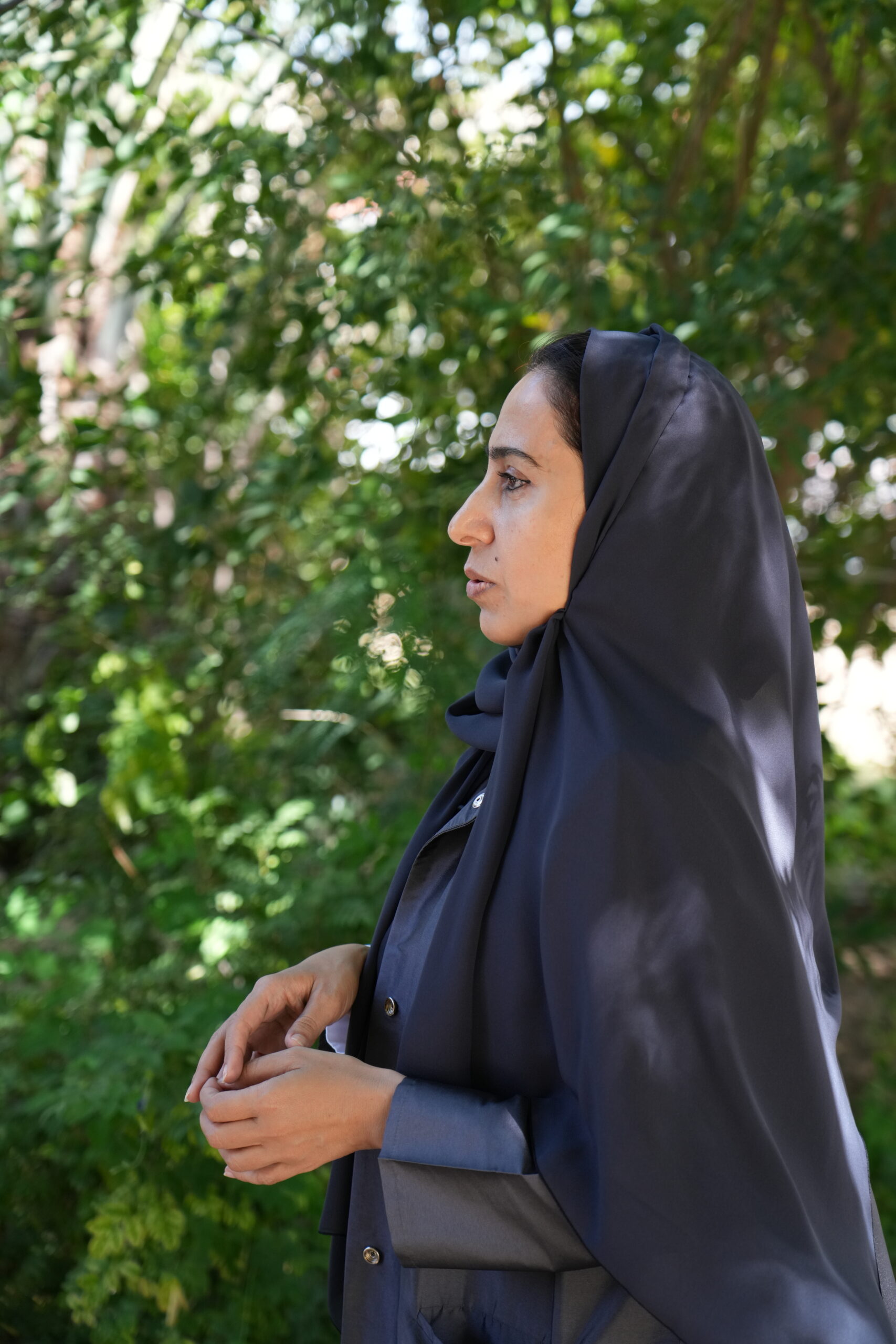
Emirati artist Moza Al Falasi, channelled her grief of losing her parents, and more recently, her husband, through her art and photography practice. In her first solo exhibition — Unfolding — at Tashkeel, Nad Al Sheba, Dubai, she explores memory, loss and inherited emotions. The exhibition running until June 26, 2026, is the culmination of Al Falasi’s journey with the year-long Tashkeel Critical Practice Programme. Launched in 2014, Tashkeel’s Critical Practice Programme, provides UAE-based artists with funding, studio access and mentorship over 12 months to push the boundaries of their practice and attempt ambitious projects.
Her creative practice helped the artistto navigate life’s complexities and explore how grief shapes inner landscapes. She used photography, sound, painting, plaster and fabric as means of documenting how personal and inherited experiences leave their mark on us. “My work is deeply rooted in inherited grief, the sorrow passed-down through generations, shaping identity in both visible and unseen ways. I explore how personal and ancestral memories become entangled with identity, weaving a tapestry of emotions that transcend time. Whether my practice serves as a form of healing or a visual documentation of grief remains uncertain,” she tells.

In Unfolding, her childhood home, becomes a living entity, serving as a shelter for her ‘autobiographical self’. Repeated visits to her childhood locality allowed her to explore communal relationships as part of understanding her parents through the spaces and communities they had inhabited.
She approaches the house, not as a building to be reconstructed, but as something unstable: a field of feeling dispersed across fragments, surfaces and echoes. Through her multidisciplinary practice, she does not try to document a lost home. Instead, she traces what lingers; textures that recall walls, impressions pressed into soft materials, sounds that appear and fade, much like memory itself. These gestures are not about seeing from a distance, but about touching, encountering, and feeling presence in absence. What emerges is not a single story. Childhood, family, grief and recent loss overlap and fold in on themselves. Time no longer moves in a straight line. The domestic space becomes vulnerable, rather than secure, fractured, layered and incomplete. Paintings of women around olive trees, rooted and weathered, become symbols of persistence. of continuing in the presence of absence.

The exhibition experience also extends to the adjoining Gerbou restaurant in Tashkeel, where a symbolic sweet and salty dessert, embodies the essence of the exhibition. Sweetness evokes tenderness, intimacy and the comfort of memory, while salt carries the trace of grief, tears and what remains after loss. Together these flavours create something layered and unresolved, much like the afterlife of a house: a place that no longer exists in the same way, yet continues to live within us.