

 By
By Inside the Sharjah Biennial 2023
Thinking Historically in the Present, the Sharjah Biennial 15 theme this year, embodies the ethos of the artworks on display at venues spread across the emirate. Curated by Sheikha Hoor Al Qasimi, Director of Sharjah Art Foundation and late Okwui Enwezor, the Nigerian curator, writer and art critic, the Biennial that began in February this year, comes to an end on June 11th, 2023.
Through over 300 works of art by 150 artists and collectives, this year’s theme has been brought alive through practices that critique monolithic understanding of nationhood, race, tradition, gender, body and imagination. Enwezor’s African roots have brought forth widespread representation from African artists as well as conversations on post-colonial subjectivity, global modernism, the body as a repository of memories, transgenerational continuity and decolonization, taking a detour from the Western art world.
From Sharjah Art Museum to the Al Jubail Vegetable Market to Kalba Ice Factory the Biennial’s exhaustive artworks and photographs represent local and regional creative talent.
Middle East Masala brings you a glimpse of what was on display:

Fathi Afifi’s black and white portraits from The Factory Series, depicting human labourers amidst manufacturing landscapes from factory floors in Cairo.
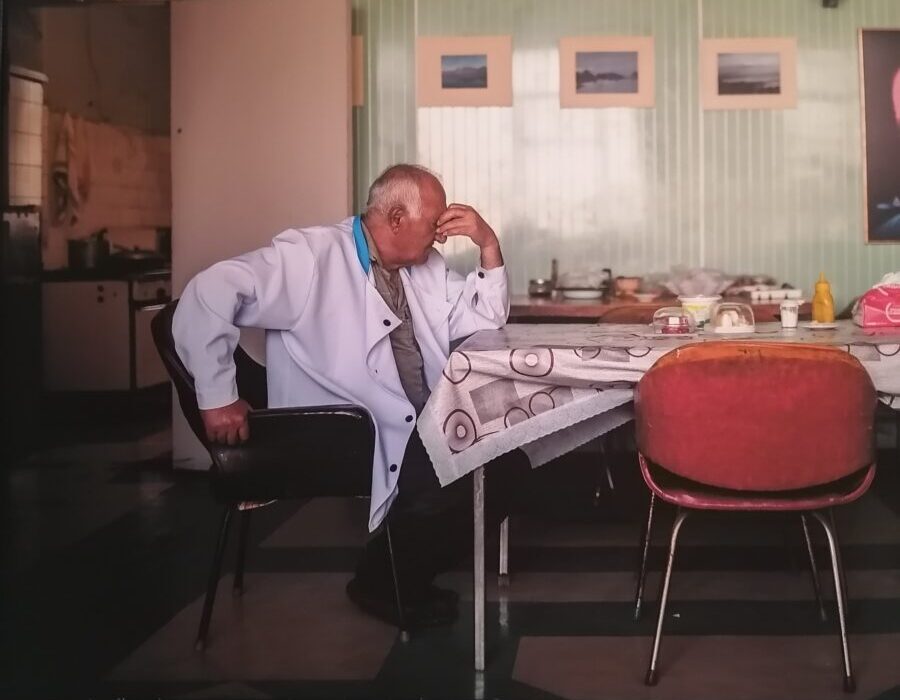
Yulia Grigoryant’s photographs document the harsh truths of displacement as experienced by the ethnic Armenians and their displacement and transition from Soviet rule to independence, through the lens of the artist’s own experience.
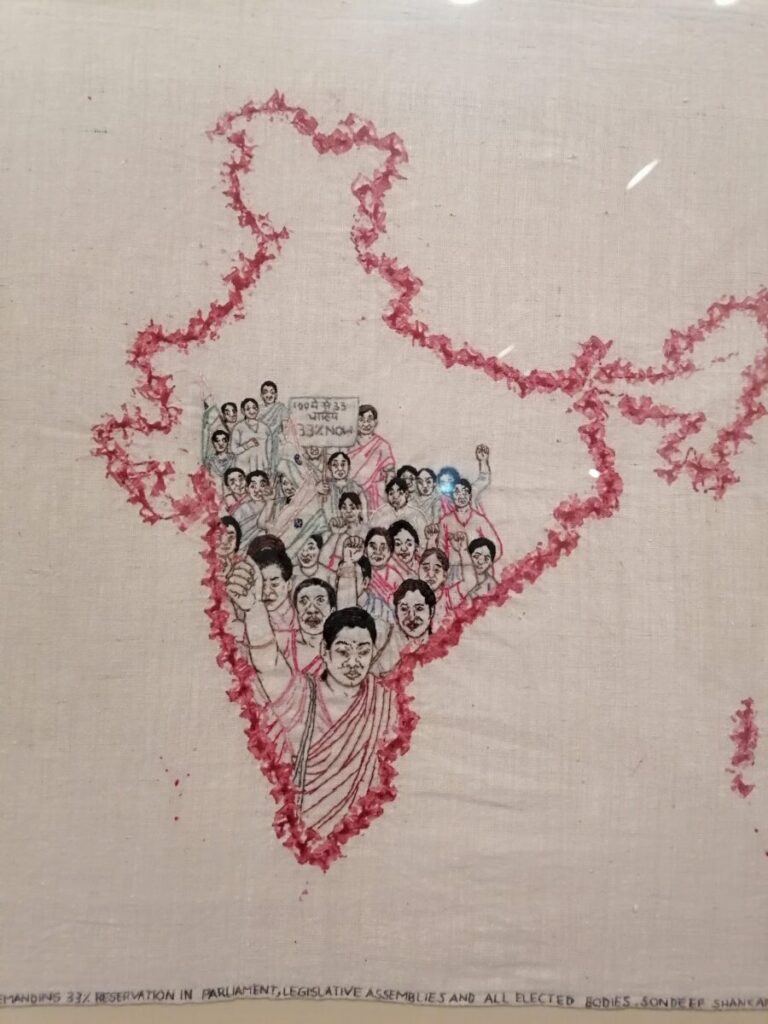
Varunika Saraf presents a collage of 76 hand-embroidered maps of India, referencing complex histories and incidents in South Asia.
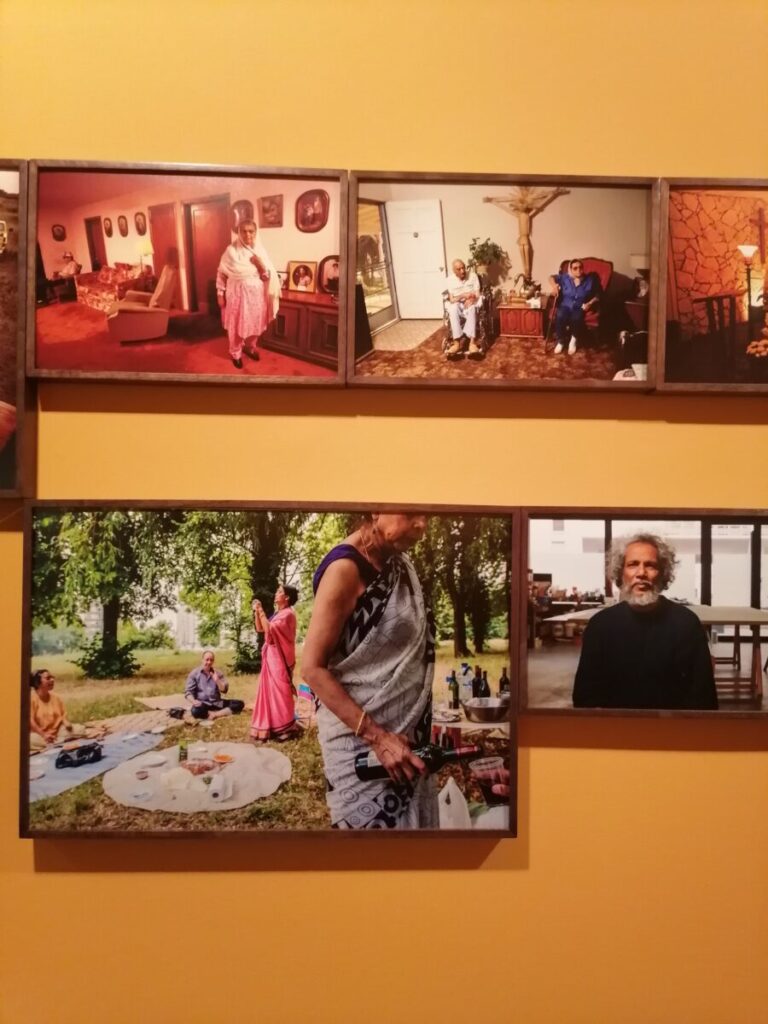
Indian photojournalist Pablo Bartholomew and his father Richard Bartholomew’s photo series of Indian immigrants across the world shows domestic scenes and intimate details of community gatherings as a way of historical documentation.
At Bait Al Serkal, on display is Wangechi Muttu’s cultural installation, My Mother’s Memories, a mound of buried brides, that reflects on the resilience of women who fought for the independence of their native Kenya in the Mau Mau Rebellion.
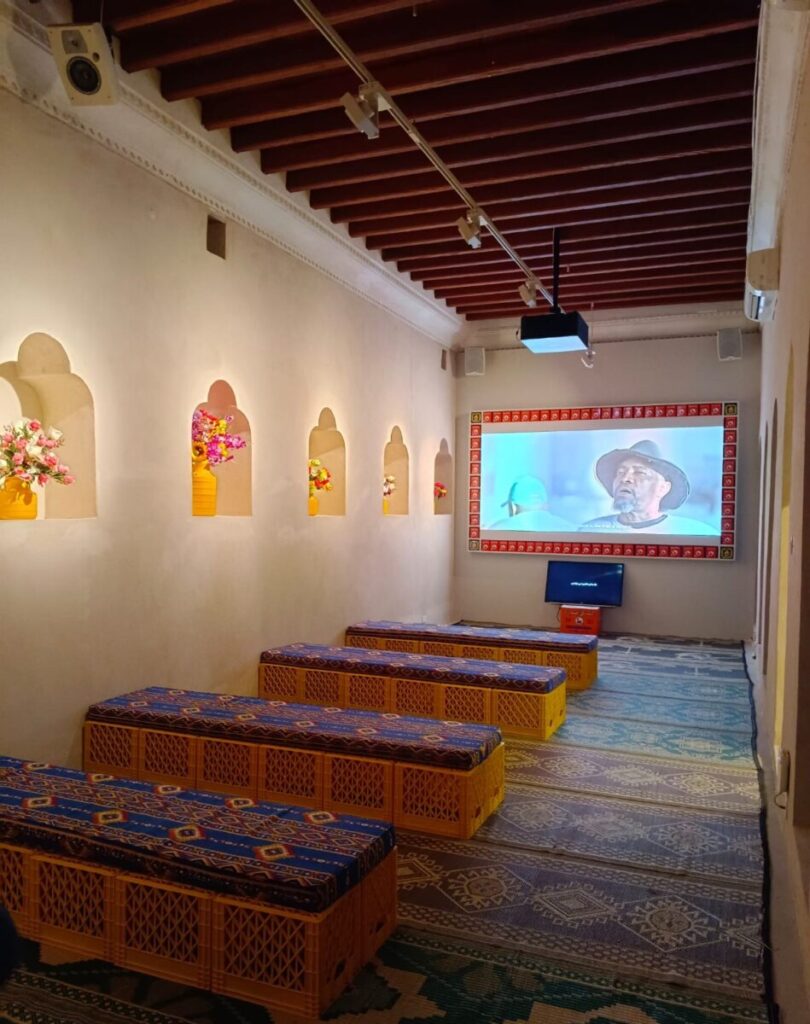
Hassan Hajjaj’s documentary installation fuses North African textile patterns with pop culture elements. On view is also his documentary Gnawa Capoeira Brotherhood.
Almagul Menlibayeva in her multimedia installation tells the story of her family during the Kazakh famine of the early 1930s.

Marisol Mendez presents Madre, a series of portraits interrogating the white washed, phallocentric and colonial representation of women in Bolivia.